GUARDIANE-Q is configured as an industrial research initiative to generate advanced knowledge, reduce technological uncertainties, and establish the foundations for the subsequent safe and efficient development of solutions applied to critical underground hydrogen storage infrastructures.

The project integrates capabilities ranging from subsurface geological modelling to post-quantum cybersecurity, including multisensory monitoring, artificial intelligence, and resilient satellite communications.
The combination of these technological domains allows for the exploration of a new paradigm of comprehensive protection for strategic energy infrastructures on the horizon of the post-fossil energy system.
Mission and public impact
Subsurface: advanced geological knowledge
The foundation of the system is the scientific modelling of hydrogen behaviour in the subsurface. GUARDIANE-Q develops advanced numerical models to analyse the migration, accumulation, and potential leakage pathways of hydrogen in porous geological media.
This knowledge allows for the anticipation of risk scenarios and improves the understanding of the performance of underground storage facilities.

Sensors and advanced monitoring
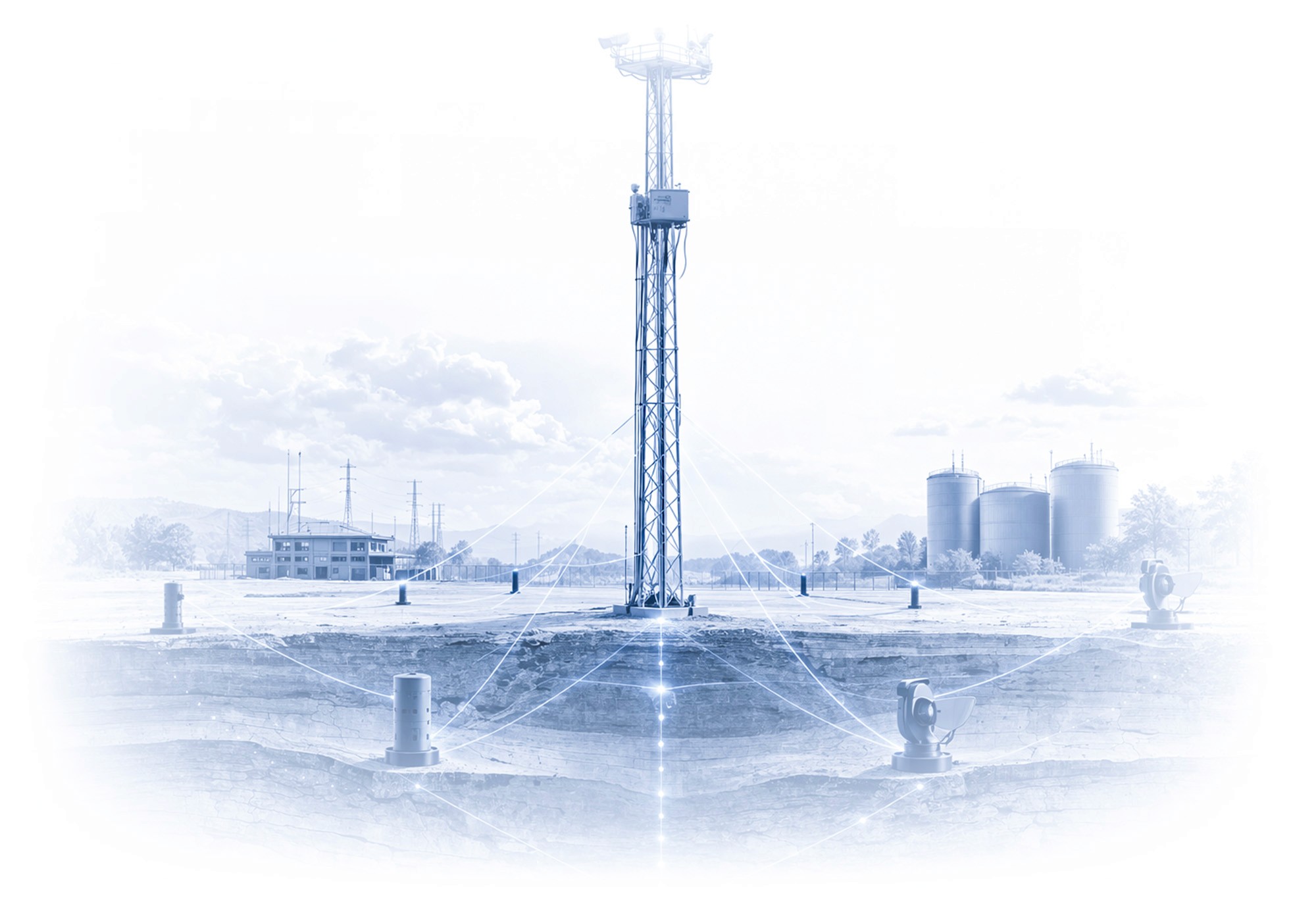
Over the physical infrastructure, a sensor network is deployed that is capable of capturing information across different domains:
- Geochemical sensors
- Seismic sensors
- Optical sensors
- GNSS systems
- Environmental monitoring
The integration of these data sources allows for the construction of a continuous operational view of the infrastructure's behaviour.
Intelligent monitoring platform (advanced SCADA)
The data generated by the sensor network is integrated into an advanced monitoring platform based on next-generation SCADA architectures.
This platform incorporates hybrid artificial intelligence that combines machine learning and physical-statistical models to detect anomalous patterns and anticipate critical events.

Resilient and satellite communications
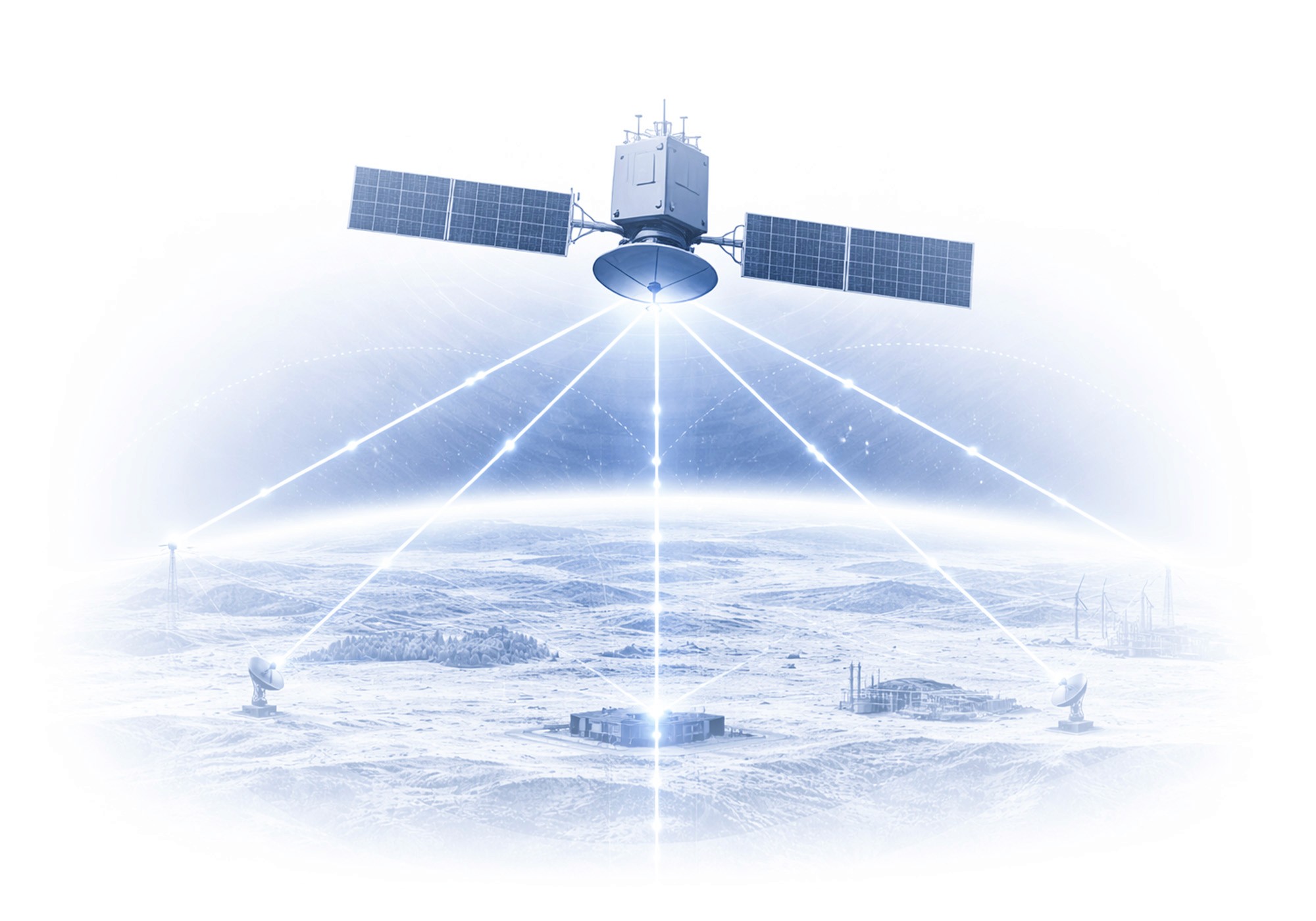
To guarantee connectivity even in the event of conventional network failures, GUARDIANE-Q explores resilient communication solutions based on satellite technologies and edge computing.
These solutions make it possible to maintain the secure transmission of critical data from distributed energy infrastructures or those located in remote environments.
Post-quantum cybersecurity
The final layer of protection focuses on the digital security of control and communications systems.
GUARDIANE-Q investigates the application of cryptographic algorithms resistant to quantum computing, as well as intelligent hybrid threat detection mechanisms that combine physical and digital event analysis.

Security standards and principles
The combination of these five technological layers makes it possible to explore a new approach to comprehensive protection for critical energy infrastructures, adapted to the challenges of the energy system of the future.
<b> GUARDIANE-Q thus contributes to laying the technological foundations that will allow the underground storage of renewable hydrogen to be developed with the highest standards of safety, resilience and technological sovereignty. <b>

CONTACT